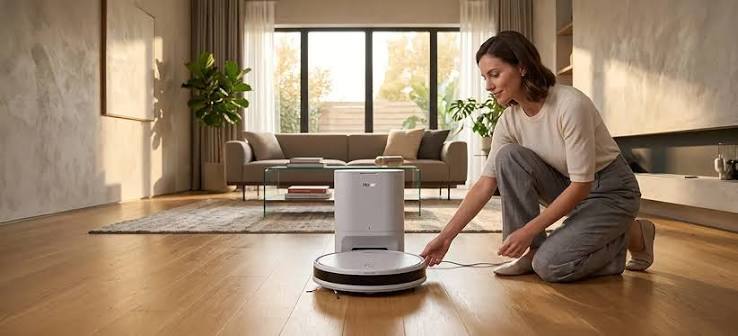
Choosing the right robot vacuum cleaner can feel confusing, especially with so many models, brands, suction levels, navigation systems, and smart features available. When I first started exploring robot vacuum cleaners, I found it difficult to understand which features actually made a difference in everyday cleaning.
That is why I am writing my personal review.
I have spent time researching, comparing, and evaluating different robot vacuum cleaners to better understand how they perform in real-world cleaning situations. I focus on the features that matter most,
- including suction power
- Navigation
- obstacle avoidance
- battery life
- mopping performance
- smart-home features
and overall value. My goal is to share what I have learned in a simple and practical way so you can understand the differences between robot vacuum cleaners and make a more informed buying decision.
What is a Robot vacuum cleaner?
From my experience testing robot vacuum cleaners I have found them helpful for daily floor cleaning. Some models can clean:
- dust, dirt and debris
- pet hair
- floors with mopping
I noticed that navigation makes a difference. Models with LiDAR, cameras and sensors can map the home. They move around furniture and other obstacles with ease.
I have also used docking stations. Basic docks mainly charge the robot while advanced docks can empty the dustbin, wash and dry mop pads and refill water. This makes the robot more convenient to use.
The smartphone app is another feature. Depending on the model I could view maps, select rooms, schedule cleaning and set cleaning zones. This gives me control over how and when the robot cleans.
Some models can also return to the dock when the battery is low recharge and resume cleaning. This keeps the cleaning process smooth and uninterrupted.
I found cliff and obstacle detection helpful for use. These features help the robot avoid stairs, furniture, toys, cables and other household objects. It prevents accidents. Keeps the robot safe.
Overall my experience has shown me that these features can make regular floor cleaning easier and reduce effort. Robot vacuum cleaners are a tool for keeping floors clean, with less work.
How Does a Robot Vacuum Cleaner Work?
From my research and experience robot vacuum cleaners use,
- Suction
- brushes
- Sensors
- navigation technology
- software to floors with very little manual effort.
Unlike a vacuum cleaner I don’t have to push or move the robot vacuum cleaner around. The robot vacuum cleaner can plan its cleaning path collect dust and debris and return to its charging station when the battery is low.
1. Mapping and Navigation:
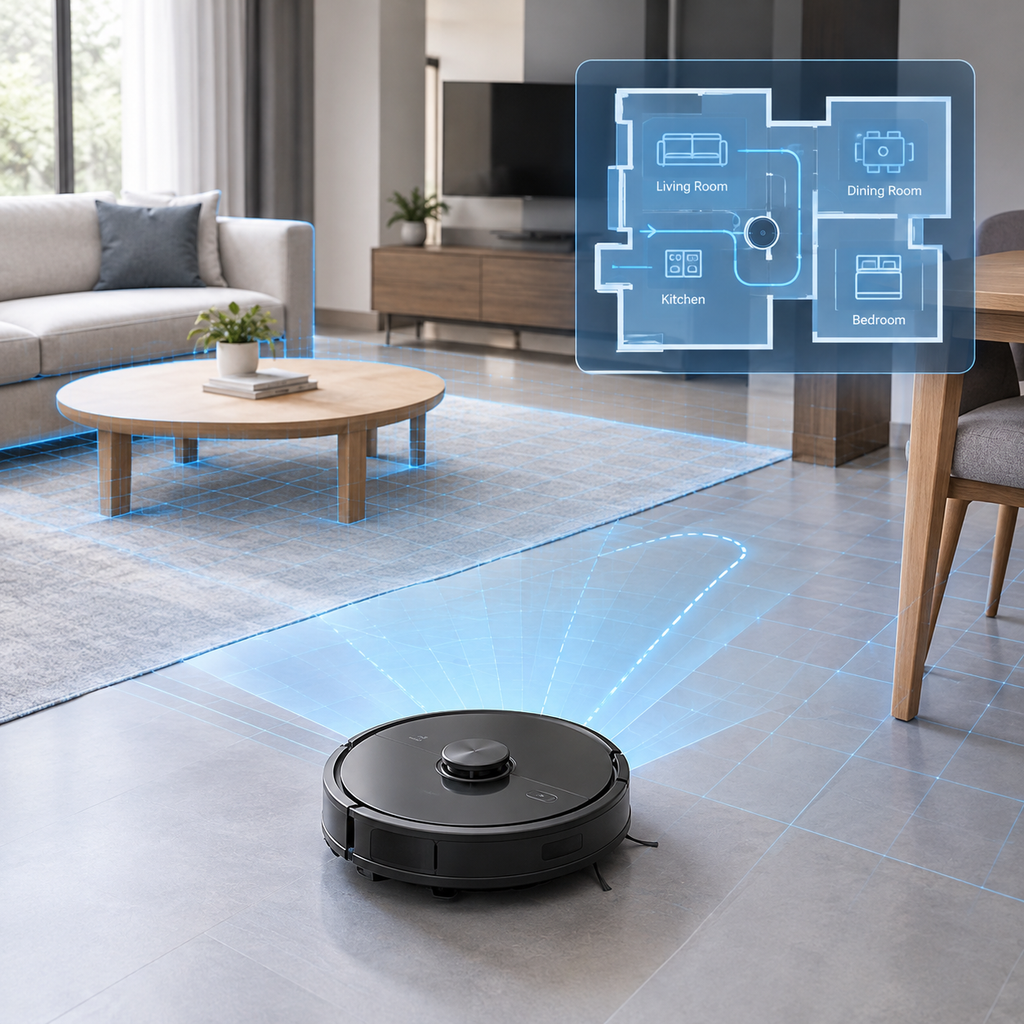
From my experience learning about robot vacuum cleaners, I found that modern models can use LiDAR, cameras, and infrared sensors to understand their surroundings. These technologies can help a robot vacuum:
- Create a map of the home
- Recognize different rooms
- Detect walls and furniture
- Identify objects around it
- Understand the cleaning area
- Plan a cleaning route
- Move around the room while cleaning instead of moving randomly
I found that good mapping and navigation can help a robot vacuum clean more efficiently and move around the home with less manual help.
Hi, this is a comment.
To get started with moderating, editing, and deleting comments, please visit the Comments screen in the dashboard.
Commenter avatars come from Gravatar.